

Sulforaphane Evidence Guide
Potent isothiocyanate derived from cruciferous glucoraphanin via myrosinase enzymatic conversion that induces Phase II cytoprotective enzymes through Nrf2 activation.
Quick Scientific Facts: Sulforaphane
Key physiological targets, upper safety bounds, and bioavailability metrics.
Why Sulforaphane Matters
1-Isothiocyanato-4-(methylsulfinyl)butane • Bioactive Isothiocyanate
Sulforaphane is the most potent naturally occurring inducer of the Nrf2 (Nuclear factor erythroid 2-related factor 2) signaling pathway. In whole cruciferous plants, it exists as glucoraphanin, which is converted to active sulforaphane by the enzyme myrosinase upon cellular chewing. Sulforaphane disrupts Keap1-Nrf2 binding, translocating Nrf2 to the nucleus to transcribe over 200 cytoprotective genes, including Glutathione S-Transferase (GST), Heme Oxygenase-1 (HO-1), and NQO1.
Adding a pinch of raw mustard seed powder (which contains heat-stable myrosinase) to cooked cruciferous vegetables restores up to 400% of sulforaphane yield.
6-Stage Biological Journey: Sulforaphane
Interactive pathway mapping Sulforaphane ingestion, digestive release, membrane transport, and cellular bio-utilization.
Glucoraphanin Activation
Chewing ruptures plant vacuoles, allowing myrosinase to convert glucoraphanin into sulforaphane.
Oral Mastication & Salivary Solubilization
High Whole Food Retention
Gastric Pass-Through
Best 100% Whole Food Plant-Based Sources of Sulforaphane
Top nutrient-dense plant foods ranked by % Daily Value per standard serving.
Fresh Broccoli Sprouts →
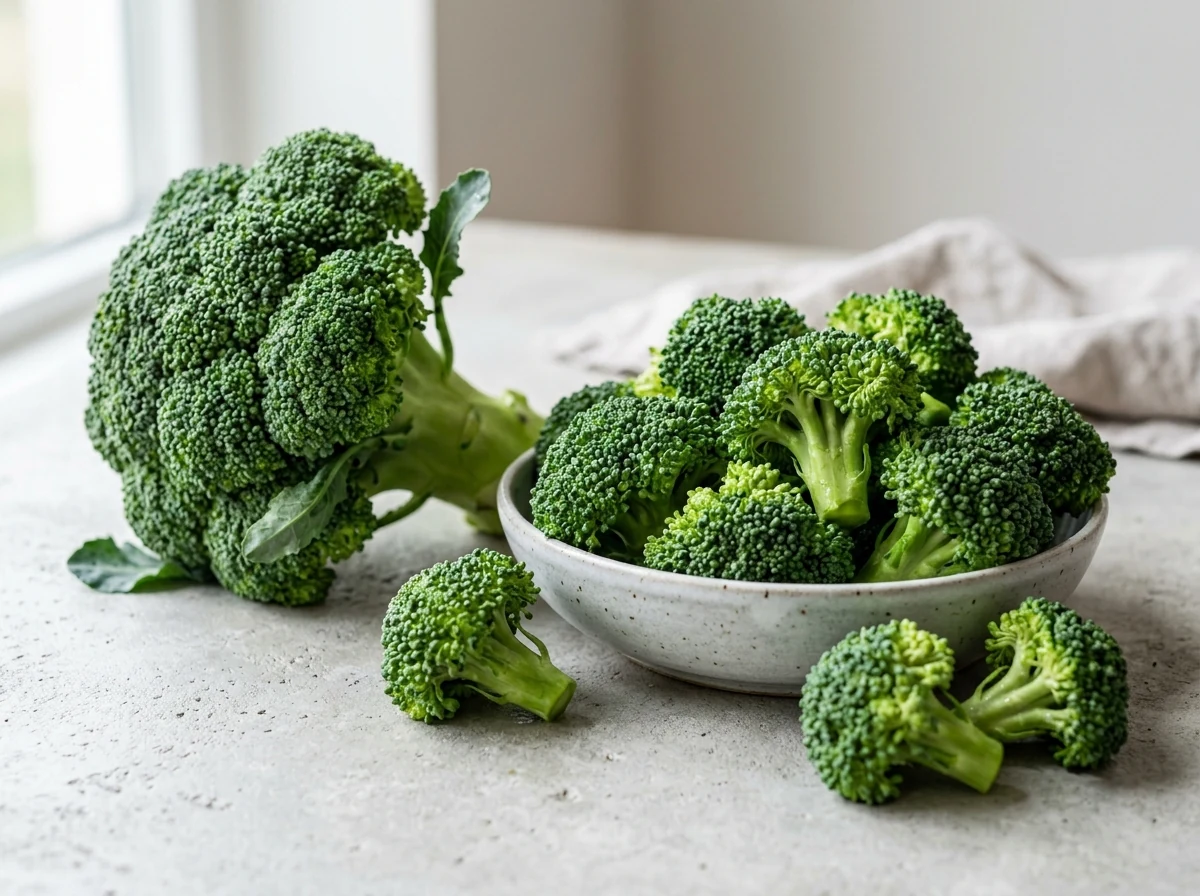
Raw Chopped Broccoli →
Cooked Brussels Sprouts
Raw Mustard Greens
Cooked Cabbage →
Fresh Watercress →
Recommended Daily Allowance (RDA) & DRI Standards: Sulforaphane
Dietary Reference Intakes (DRI) across human life stages established by the National Academies of Sciences.
| Life Stage Bracket | Requirement Target | Type | Upper Limit (UL) | Visual Scale |
|---|---|---|---|---|
| Pediatric / Children | Dietary Whole Foods | AI | Not Established for Whole Foods (100mg/day for concentrated extracts) | |
| Adolescents (14–18 years) | Age-Appropriate Intake | AI | Not Established for Whole Foods (100mg/day for concentrated extracts) | |
| Adult Male (19+ years) | 20 – 40 mg / day (or 1–2 cups Cruciferous Greens / 2 tbsp Broccoli Sprouts) | AI | Not Established for Whole Foods (100mg/day for concentrated extracts) | |
| Adult Female (19+ years) | 20 – 40 mg / day (or 1–2 cups Cruciferous Greens / 2 tbsp Broccoli Sprouts) | AI | Not Established for Whole Foods (100mg/day for concentrated extracts) | |
| Pregnancy (19+ years) | 20 – 40 mg / day (or 1–2 cups Cruciferous Greens / 2 tbsp Broccoli Sprouts) | AI | Not Established for Whole Foods (100mg/day for concentrated extracts) | |
| Lactation (19+ years) | 20 – 40 mg / day (or 1–2 cups Cruciferous Greens / 2 tbsp Broccoli Sprouts) | AI | Not Established for Whole Foods (100mg/day for concentrated extracts) | |
| Optimal Therapeutic Target | Enhanced Dietary Target | AI | Not Established for Whole Foods (100mg/day for concentrated extracts) |
100% Daily Value Achievement Combinations: Sulforaphane
Practical whole-food meal pairings to hit 100% of your daily Sulforaphane requirement effortlessly.
1 Serving Fresh Broccoli Sprouts
Prepared Raw Fresh Sprouted for maximum retention.
1 Serving Raw Chopped Broccoli + Cooked Brussels Sprouts
Combined meal pairing for optimal Sulforaphane density.
Cooked Brussels Sprouts + Raw Mustard Greens
Diverse whole-food combination across two meal windows.
5-Stage Deficiency Progression Timeline: Sulforaphane
Clinical timeline tracing tissue depletion from early asymptomatic bio-depletion to overt pathology for Sulforaphane. Educational deficiency progression model
Biochemical Biomarkers
- Suppressed Nrf2-mediated ARE gene expression
- Elevated markers of lipid and protein oxidation
- Impaired hepatic Phase II conjugating capacity
Clinical Symptoms
- Elevated sensitivity to environmental air pollutants
- Suboptimal cellular energy recovery
- Mild elevation in systemic inflammatory markers
100% WFPB Therapeutic Protocol
Target 30mg sulforaphane daily with broccoli sprouts and mustard seed.
Interactive Toxicity & Tolerable Upper Intake Level (UL): Sulforaphane
Drag the slider to evaluate biological safety margins, upper intake ceilings, and toxicity thresholds for Sulforaphane.
20 – 50 mg / day (From fresh broccoli sprouts and cruciferous vegetables)
50 – 100 mg / day (Targeted Nrf2 Phase II Detoxification Support)
Not Established for Whole Foods
> 150 mg / day from concentrated isolated extracts (Mild transient GI distress)
✅ Optimal Bio-Physiological Baseline (100% RDA)
Sulforaphane from whole cruciferous plants and sprouts is exceptionally safe and extensively studied.
Sulforaphane Reference Calculator
Estimate your daily Sulforaphane reference target using established Dietary Reference Intakes and relevant life-stage factors.
7-Day WFPB Meal Planner & Macro Balancer: Sulforaphane
Scientifically calculated 100% plant-based meal plan optimized for Sulforaphane density and bio-absorption.
Tofu Scramble Topped with 2 tbsp Fresh Broccoli Sprouts
Warm Quinoa & Steamed Brussels Sprouts Bowl with Mustard Tahini
Crunchy Raw Broccoli Florets with Creamy Hummus
Sautéed Garlic Cabbage & Lentil Power Stew with Mustard Powder
Categorized 100% WFPB Shopping List: Sulforaphane
Interactive grocery checklist organized by plant food category to hit your weekly Sulforaphane targets.
🛒 Cruciferous Produce
🛒 Culinary Boosters
Research & Evidence Intelligence Dashboard: Sulforaphane
Human clinical trial meta-analyses, publication trends, and consensus confidence grades for Sulforaphane.
No verified research data available
Clinical trials and meta-analyses for Sulforaphane are currently being indexed.
Official Scientific Research Authorities: Sulforaphane
Verified data sources establishing international dietary standards and clinical recommendations for Sulforaphane.
USDA FoodData Central
VerifiedStandard Reference analytical database for 100% whole plant food micronutrient density.
NIH Office of Supplements
VerifiedNational Institutes of Health official DRI intake tables and deficiency research.
World Health Organization
VerifiedWHO/FAO expert consultation on human vitamin and mineral requirements.
NASEM Food & Nutrition
VerifiedNational Academies of Sciences evaluation of tolerable upper intake levels (UL).
Sulforaphane Knowledge Graph Explorer
Explore multi-dimensional entity connections linking Sulforaphane to plant food matrices, physiological functions, and health outcomes.
Frequently Asked Questions: Sulforaphane
Peer-reviewed answers to common questions regarding Sulforaphane bioavailability, absorption, and safety.
Why are broccoli sprouts so much higher in sulforaphane than adult broccoli?
Broccoli sprouts contain 20 to 50 times higher concentrations of the precursor glucoraphanin per gram than mature broccoli heads.
What is the "mustard seed trick" for cooked broccoli?
Cooking heat destroys myrosinase enzyme. Adding a pinch of raw mustard seed powder (which contains active myrosinase) after cooking restores sulforaphane production.
How does sulforaphane turn on the Nrf2 pathway?
Sulforaphane reacts with cysteine sensors on Keap1 protein, causing Keap1 to release Nrf2 so it can enter the nucleus and turn on over 200 protective genes.
Can you chop broccoli ahead of time to increase sulforaphane?
Yes. Chopping raw broccoli and letting it rest for 30–40 minutes allows myrosinase to produce sulforaphane before cooking.
Does cooking destroy sulforaphane once it is already formed?
Sulforaphane itself is reasonably heat-stable; it is the myrosinase enzyme that is heat-sensitive. Resting chopped broccoli before cooking preserves the active compound.
Peer-Reviewed Scientific References: Sulforaphane
Official clinical guidelines, NIH Dietary Reference Intakes, and peer-reviewed journal articles for Sulforaphane.