Sodium Evidence Guide
Essential extracellular electrolyte cation driving plasma volume maintenance, action potential nerve transmission, cell membrane transport, and osmotic fluid balance.
Quick Scientific Facts: Sodium
Key physiological targets, upper safety bounds, and bioavailability metrics.
Why Sodium Matters
Sodium Ion (Na⁺) • Major Extracellular Electrolyte
Sodium is absorbed across intestinal enterocytes via SGLT1 glucose-coupled co-transporters and apical ENaC channels, regulating systemic arterial pressure.
Pairing naturally occurring plant sodium with high-potassium greens maintains an optimal cellular Na⁺/K⁺ ratio, preventing vascular hypertension.
6-Stage Biological Journey: Sodium
Interactive pathway mapping Sodium ingestion, digestive release, membrane transport, and cellular bio-utilization.
Whole Plant Food Matrix
Ingested from celery, Swiss chard, beets, and fresh leafy greens.
Oral Mastication & Salivary Solubilization
High Whole Food Retention
Gastric Pass-Through
Best 100% Whole Food Plant-Based Sources of Sodium
Top nutrient-dense plant foods ranked by % Daily Value per standard serving.
Raw Celery
Cooked Swiss Chard
Cooked Red Beets
Raw Spinach →
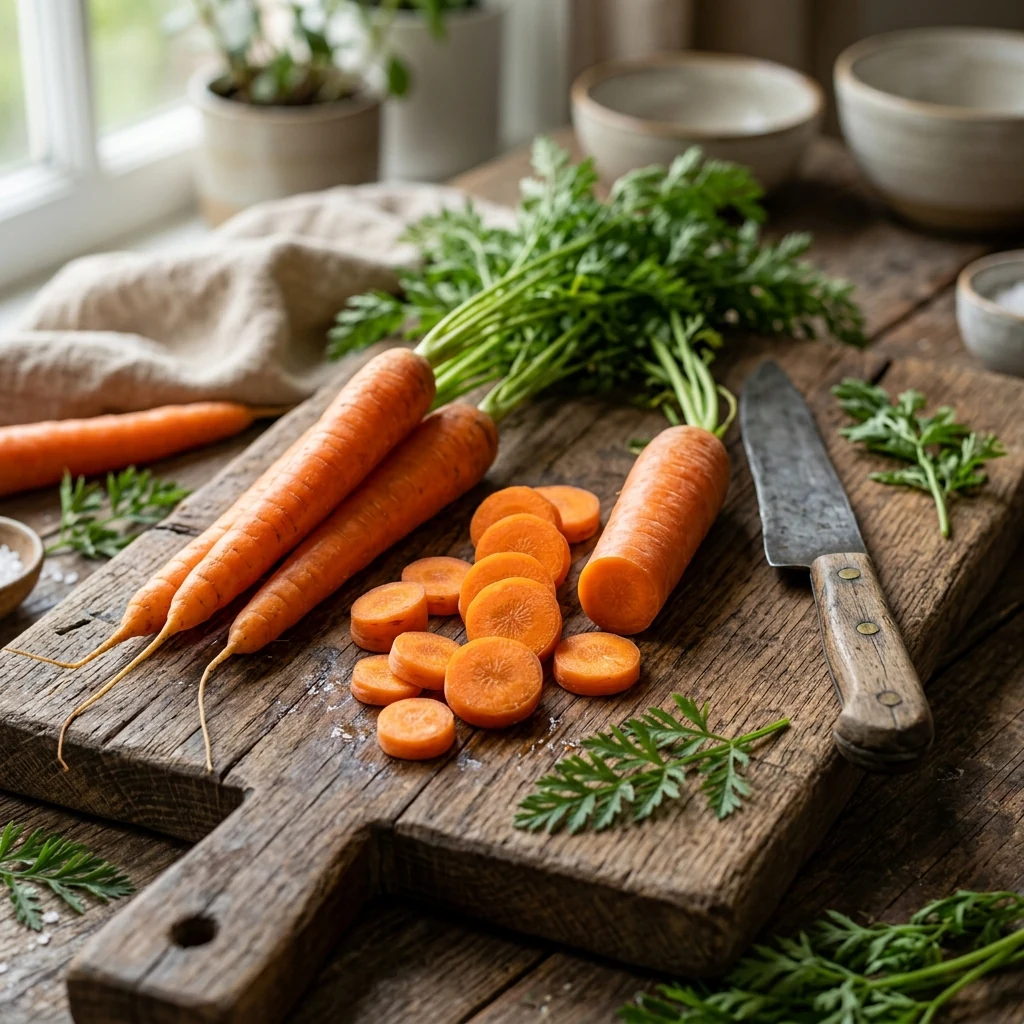
Raw Carrots →
Raw Artichoke
Recommended Daily Allowance (RDA) & DRI Standards: Sodium
Dietary Reference Intakes (DRI) across human life stages established by the National Academies of Sciences.
| Life Stage Bracket | Requirement Target | Type | Upper Limit (UL) | Visual Scale |
|---|---|---|---|---|
| Pediatric / Children | Dietary Whole Foods | AI | 2,300 mg / day | |
| Adolescents (14–18 years) | Age-Appropriate Intake | AI | 2,300 mg / day | |
| Adult Male (19+ years) | 1,500 mg / day (AI) • 2,300 mg / day (UL Limit) | AI | 2,300 mg / day | |
| Adult Female (19+ years) | 1,500 mg / day (AI) • 2,300 mg / day (UL Limit) | AI | 2,300 mg / day | |
| Pregnancy (19+ years) | 1,500 mg / day (AI) • 2,300 mg / day (UL Limit) | AI | 2,300 mg / day | |
| Lactation (19+ years) | 1,500 mg / day (AI) • 2,300 mg / day (UL Limit) | AI | 2,300 mg / day | |
| Optimal Therapeutic Target | Enhanced Dietary Target | AI | 2,300 mg / day |
100% Daily Value Achievement Combinations: Sodium
Practical whole-food meal pairings to hit 100% of your daily Sodium requirement effortlessly.
1 Serving Raw Celery
Prepared Raw Fresh for maximum retention.
1 Serving Cooked Swiss Chard + Cooked Red Beets
Combined meal pairing for optimal Sodium density.
Cooked Red Beets + Raw Spinach
Diverse whole-food combination across two meal windows.
5-Stage Deficiency Progression Timeline: Sodium
Clinical timeline tracing tissue depletion from early asymptomatic bio-depletion to overt pathology for Sodium. Educational deficiency progression model
Biochemical Biomarkers
- Cellular swelling due to osmotic shift.
Clinical Symptoms
- Nausea, disorientation, gait instability.
100% WFPB Therapeutic Protocol
Medical evaluation & balanced electrolyte repletion.
Interactive Toxicity & Tolerable Upper Intake Level (UL): Sodium
Drag the slider to evaluate biological safety margins, upper intake ceilings, and toxicity thresholds for Sodium.
1,500 mg / day
1,500 – 2,000 mg / day
2,300 mg / day
> 2,300 mg / day
✅ Optimal Bio-Physiological Baseline (100% RDA)
Consuming naturally occurring sodium from whole plant foods is safe. High processed salt (>2,300 mg) increases hypertension risk.
Sodium Reference Calculator
Estimate your daily Sodium reference target using established Dietary Reference Intakes and relevant life-stage factors.
7-Day WFPB Meal Planner & Macro Balancer: Sodium
Scientifically calculated 100% plant-based meal plan optimized for Sodium density and bio-absorption.
Steamed Spinach & Tofu Scramble with Tomato
Raw Celery & Shredded Beet Crunch Salad
Sauteed Swiss Chard & Garlic Lentils
Fresh Celery Sticks with Tahini Dip
Categorized 100% WFPB Shopping List: Sodium
Interactive grocery checklist organized by plant food category to hit your weekly Sodium targets.
🛒 Fresh Vegetables
🛒 Whole Grains & Legumes
Research & Evidence Intelligence Dashboard: Sodium
Human clinical trial meta-analyses, publication trends, and consensus confidence grades for Sodium.
10-Year Publication Trend: Sodium (2015 – 2024)
Official Scientific Research Authorities: Sodium
Verified data sources establishing international dietary standards and clinical recommendations for Sodium.
USDA FoodData Central
VerifiedStandard Reference analytical database for 100% whole plant food micronutrient density.
NIH Office of Supplements
VerifiedNational Institutes of Health official DRI intake tables and deficiency research.
World Health Organization
VerifiedWHO/FAO expert consultation on human vitamin and mineral requirements.
NASEM Food & Nutrition
VerifiedNational Academies of Sciences evaluation of tolerable upper intake levels (UL).
Sodium Knowledge Graph Explorer
Explore multi-dimensional entity connections linking Sodium to plant food matrices, physiological functions, and health outcomes.
Frequently Asked Questions: Sodium
Peer-reviewed answers to common questions regarding Sodium bioavailability, absorption, and safety.
Is dietary sodium the same thing as table salt?
No. Table salt is sodium chloride (NaCl), which is 40% sodium by weight (1g salt = 400mg sodium). Naturally occurring sodium in whole plant foods comes bound within mineral-dense plant cellular matrices.
What is the daily sodium limit recommended by the FDA?
The FDA Daily Value limit for adults is 2,300 mg/day. Chronic sodium intakes above 2,300 mg increase arterial stiffness and hypertension risk.
Can a 100% whole food plant-based diet provide adequate sodium?
Yes. Whole plant foods like celery, Swiss chard, beets, and spinach naturally provide 1,000 mg to 1,500 mg of unrefined sodium daily without adding processed salt.
How does the sodium-potassium ratio regulate blood pressure?
Sodium expands extracellular fluid volume, while potassium relaxes arterial walls. A high potassium-to-sodium ratio (3:1 or higher) lowers blood pressure and protects kidney function.
What causes hyponatremia in healthy individuals?
Hyponatremia is usually caused by excessive water consumption during prolonged endurance exercise or severe sweating without electrolyte repletion, diluting blood sodium levels.
How do kidneys regulate body sodium levels?
Kidneys filter sodium through glomeruli and reabsorb it in renal tubules based on aldosterone and renin-angiotensin-aldosterone system (RAAS) hormonal signaling.
Does cooking lower the sodium content of green leafy vegetables?
Boiling greens in large quantities of water can leach up to 30% of sodium into discarded water. Steaming or consuming cooking broths retains 95%+ of natural plant sodium.
What are the symptoms of low blood sodium?
Early symptoms include headache, fatigue, nausea, and muscle cramps. Severe hyponatremia leads to confusion, seizures, and gait disorientation.
Why is sodium essential for glucose absorption in the gut?
Intestinal glucose transport relies on SGLT1 co-transporters, which require two sodium ions (Na⁺) to transport one glucose molecule into enterocytes against a concentration gradient.
Which whole plant food has the highest natural sodium content?
Cooked Swiss chard is exceptionally rich in natural plant sodium, providing 313 mg (14% DV) per 1 cup cooked serving.
Peer-Reviewed Scientific References: Sodium
Official clinical guidelines, NIH Dietary Reference Intakes, and peer-reviewed journal articles for Sodium.