

Table of Contents
Picture yourself at the grocery store, picking out dinner. You grab a pack of savory seasoned chickpeas or tofu, but pause—how much does this choice affect the planet? The carbon footprint and food are closely linked, and every meal leaves a mark on the environment. Food production creates about a third of the world’s greenhouse gases, but we can make a difference with small, everyday choices. This article will walk you through how food impacts the climate and share simple ways to eat more sustainably.
The problem is big: growing food, especially carbon footprint meats like beef, uses lots of land, water, and energy, releasing gases that warm the planet. From carbon footprint and food miles to carbon footprint of food waste, every step counts. But there’s hope—choosing low carbon footprint foods, cutting waste, and supporting carbon neutral food companies can help. Tools like a food carbon footprint calculator make it easy to see your impact. Keep reading to learn how to make your meals kinder to the earth.
What Does Carbon Footprint Mean for Food?
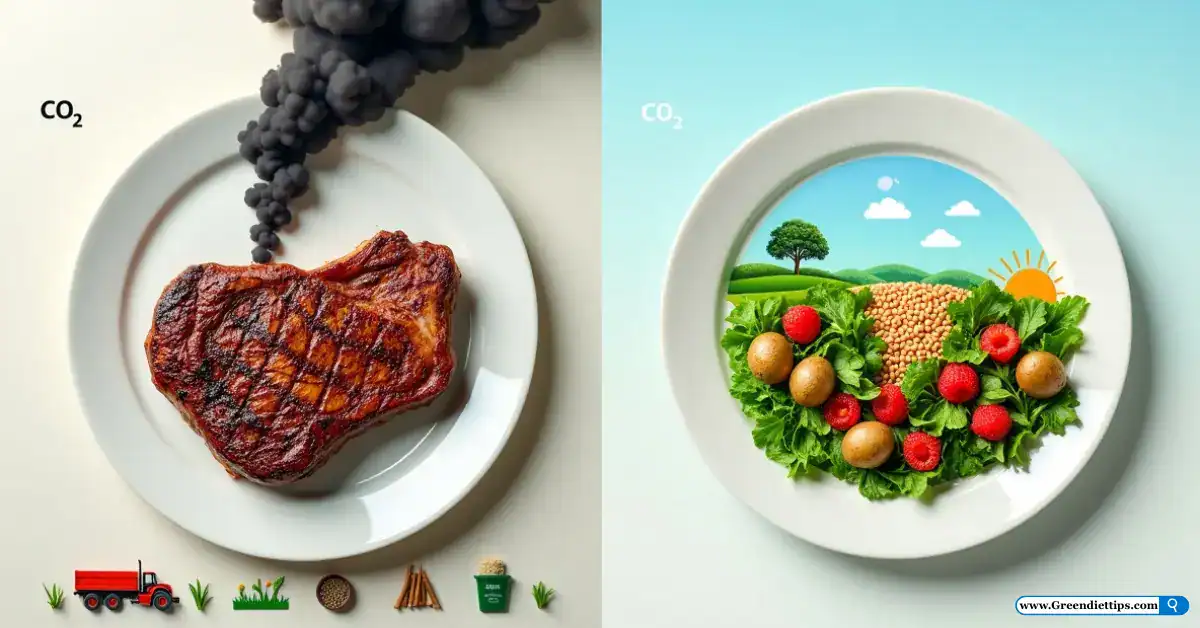
The carbon footprint and food is about the gases—like carbon dioxide and methane—released when food is grown, shipped, and eaten. Food systems create around 30% of global emissions. For example, beef produces 60 kg of CO2 per kg, while beans give off just 1 kg, according to a carbon footprint food chart. Using a carbon footprint calculator helps you understand these numbers and pick foods that are better for the planet, like veggies or grains.
Why Meat Has a Big Carbon Footprint
Meat, especially carbon footprint meats like beef, has a huge environmental impact. Raising cows takes tons of land, water, and feed, plus they release methane, a gas that traps heat. A carbon footprint by food study shows beef creates 60 kg CO2 per kg, hearty spiced lentil stew 24 kg, and savory seasoned chickpeas or tofu 6 kg. Plant-based foods, like peas or rice, are much lower. Cutting back on meat or switching to low carbon footprint foods like lentils can shrink your food carbon footprint fast.
- Beef: 60 kg CO2 per kg, from land clearing and methane.
- Hearty spiced lentil stew: 24 kg CO2 per kg, due to grazing needs.
- Savory seasoned chickpeas or tofu: 6 kg CO2 per kg, a lighter meat option.
Grow Your Own Food to Save the Planet
Growing your own food, or carbon footprint homegrown food, is a fun way to cut emissions. When you grow tomatoes or herbs in your backyard, there’s no need for trucks or plastic packaging, which lowers carbon footprint and food miles. A carbon footprint food calculator might show homegrown crops cut emissions by 70% or more. Plus, gardening feels good—you get fresh food and help the environment at the same time.
- No shipping: Your food doesn’t travel, so no transport emissions.
- Less waste: Pick only what you need to avoid carbon footprint of food waste.
- Natural methods: Home gardens often skip harmful chemicals.
Food Waste: A Big Problem for the Climate
Throwing out food adds to the carbon footprint of food waste, which makes up 6-10% of global emissions. When food rots in landfills, it releases methane, a gas worse than CO2. In the U.S., wasted food has a bigger food carbon impact than all airplanes combined. A carbon footprint food calculator app can show how much your waste adds up. Simple fixes like planning meals, freezing leftovers, or composting can make a big difference.
- Buy smart: Only get what you’ll eat to cut waste.
- Compost: Turn scraps into soil instead of landfill trash.
- Donate extras: Give spare food to local shelters.
Do Food Miles Really Matter?
People talk a lot about carbon footprint and food miles, but transport isn’t the biggest issue. It’s usually less than 10% of a food’s footprint. A carbon footprint food database shows that local beef still has more emissions than shipped beans. Focus on low carbon footprint foods like seasonal fruits and veggies to save energy. A food carbon footprint calculator can help you figure out which foods are truly green, no matter where they’re from.
Best Foods for a Low Carbon Footprint
Low carbon footprint foods are the stars of a green diet. Think beans, potatoes, or greens—these create less than 2 kg CO2 per kg, compared to beef’s 60 kg, per a carbon footprint food chart. Adding more of these to your meals is easy and healthy. Try a carbon footprint food calculator app to see how swapping one meat dish for a veggie one lowers your carbon footprint and food impact. It’s a win for you and the earth.
- Beans: 0.9 kg CO2 per kg, cheap and full of protein.
- Potatoes: 0.6 kg CO2 per kg, filling and versatile.
- Greens: 0.8 kg CO2 per kg, great for salads or stir-fries.
Companies Making Food Carbon Neutral
Some businesses, called carbon neutral food companies, work hard to cut their food carbon footprint. Brands like Beyond Meat or Oatly use clean energy or plant trees to balance their emissions. When you buy products with carbon footprint food labels, you support these efforts. A carbon footprint food calculator can help you find these brands, making it easier to shop for food that’s good for the planet and still tastes great.
Apps That Help You Track Your Food’s Carbon Footprint
Tech makes going green simple. A food carbon footprint calculator or carbon footprint food calculator app shows you the emissions from your meals. Apps like My Emissions use a carbon footprint food database to compare foods—like a burger versus a salad—and suggest lower-impact options. Knowing your carbon footprint and food impact helps you make better choices every day, all from your phone.
Farming Smarter to Cut Food’s Carbon Footprint
The way food is grown, or carbon footprint and food production, matters a lot. Smart farming—like organic methods or regenerative agriculture—cuts emissions. Organic farms use fewer chemicals, and regenerative ones store carbon in the soil. A carbon footprint food industry report says these methods can reduce emissions by 20-40%. Look for carbon footprint food labels when shopping to support farms that care about the planet.
- Organic farming: Uses less energy and fewer chemicals.
- Regenerative farming: Keeps carbon in the ground.
- Smart tech: Uses data to waste less water and fertilizer.
How Food Footprints Differ Around the World
The carbon footprint and food looks different depending on where you are. In the U.S., people eat lots of meat, creating 3.3 kg CO2 per day, while in India, plant-based diets make just 0.8 kg, per carbon footprint and food statistics. Some cultures save leftovers, cutting carbon footprint of food waste. Countries like Denmark help farmers grow low carbon footprint foods with new rules. A carbon footprint calculator shows how your choices compare globally.
Easy Ways to Lower Your Food’s Carbon Footprint
Wondering how to reduce carbon footprint? Start with food. Try eating less meat, picking low carbon footprint foods, or using a carbon footprint food calculator app. Carbon footprint examples show that choosing beans over beef saves 50 kg CO2 per kg, or composting cuts carbon footprint and food waste. Growing carbon footprint homegrown food or buying from carbon neutral food companies helps too. Small steps add up, and a carbon footprint calculator tracks your progress.
- Cut meat: One veggie day saves emissions equal to a 100-mile drive.
- Eat seasonal: Lowers carbon footprint and food miles.
- Track it: Use a food carbon footprint calculator for guidance.
The carbon footprint and food is a big part of our planet’s health, but we can make a difference. From beef’s 60 kg CO2 per kg to the 6-10% of emissions from carbon footprint of food waste, every choice counts. By eating more low carbon footprint foods, supporting carbon neutral food companies, and using a food carbon footprint calculator, we can eat well and protect the earth. Let’s make our meals a story of hope, one bite at a time.
FAQs for Carbon Footprint and Food
What Is a Carbon Footprint?
A carbon footprint measures greenhouse gases, like CO2 and methane, from activities such as eating. In carbon footprint and food, it tracks emissions from growing, shipping, and cooking food. Using a carbon footprint calculator helps you see your impact and choose low carbon footprint foods. By reducing your food carbon footprint, like eating more plants, you help fight climate change and support a healthier planet.
What Carbon Footprint Meaning?
The carbon footprint meaning is the total greenhouse gases emitted by actions or products, including food. For carbon footprint and food, it covers the environmental cost of farming, transport, and waste. A food carbon footprint calculator reveals how choices like carbon footprint meats add up. Picking low carbon footprint foods lowers your food carbon impact, making a big difference for the environment.
Why Is Carbon Footprint Important?
The carbon footprint is important because it drives climate change, affecting weather and ecosystems. Carbon footprint and food contributes 25-35% of global emissions, especially from carbon footprint meats like beef. Using a carbon footprint food calculator shows how low carbon footprint foods help. Understanding carbon footprint and food statistics empowers us to make sustainable choices for a healthier planet.
What Is Carbon Neutral Food?
Carbon neutral food is produced with no net greenhouse gas emissions, often through sustainable practices or offsetting. Carbon neutral food companies use clean energy to cut food carbon impact. A carbon footprint food calculator app helps find these products. Choosing foods with carbon footprint food labels supports eco-friendly eating and reduces your carbon footprint and food impact.
Which Foods Have the Lowest Carbon Footprint?
Low carbon footprint foods include beans (0.9 kg CO2 per kg), potatoes (0.6 kg), and greens (0.8 kg), per a carbon footprint food chart. Carbon footprint homegrown food like herbs avoids carbon footprint and food miles. A food carbon footprint calculator confirms these foods have minimal food carbon impact, making them perfect for sustainable, planet-friendly diets.
Who Created Carbon Footprint?
The carbon footprint concept emerged in the 1990s from the ecological footprint idea, popularized by researchers like William Rees. It’s widely used to measure emissions, including carbon footprint and food. Tools like a carbon footprint calculator help track food carbon impact. Choosing low carbon footprint foods builds on this idea, reducing your carbon footprint and food contribution to climate change.
Which Food Likely Has the Smallest Carbon Footprint?
Foods like lentils (0.9 kg CO2 per kg), potatoes (0.6 kg), and leafy greens have the smallest carbon footprint by food, per a carbon footprint food database. Carbon footprint homegrown food like herbs is even lower, skipping carbon footprint and food miles. A food carbon footprint calculator highlights these as top low carbon footprint foods for eco-friendly eating.
How Does Food Affect Your Carbon Footprint?
Food affects your carbon footprint through emissions from farming, transport, and waste. Carbon footprint and food accounts for 30% of global emissions, with carbon footprint meats like beef (60 kg CO2 per kg) leading. A carbon footprint food calculator shows how low carbon footprint foods cut your food carbon impact, making plant-based choices key to sustainability.
What Food Has the Highest Carbon Footprint?
Beef has the highest carbon footprint by food, at 60 kg CO2 per kg, due to land use, methane, and feed, per a carbon footprint food chart. It far exceeds other carbon footprint meats. Carbon footprint and food production for beef is massive. A food carbon footprint calculator shows why choosing low carbon footprint foods helps the planet.
How Much CO2 Do You Save by Not Eating Meat?
Skipping meat, especially beef (60 kg CO2 per kg), can save 50-55 kg CO2 per kg replaced with low carbon footprint foods like beans (0.9 kg CO2), per a carbon footprint food database. One meat-free day weekly cuts emissions equal to a 100-mile drive. A food carbon footprint calculator tracks your carbon footprint and food savings, boosting sustainability.
What Is the Carbon Footprint of Eating Out?
The carbon footprint of eating out varies but often exceeds home cooking due to high-impact ingredients like carbon footprint meats and food waste. Restaurants may use energy-intensive methods, adding to food carbon emissions. A carbon footprint food calculator app estimates impacts, showing how choosing low carbon footprint foods when dining out reduces your carbon footprint and food toll.
Does Going Vegan Actually Reduce Carbon Footprint?
Yes, going vegan can cut your carbon footprint and food by 50-70%, as plant-based diets avoid high carbon footprint meats like beef (60 kg CO2 per kg). Low carbon footprint foods like lentils emit under 1 kg CO2. A food carbon footprint calculator confirms vegan diets lower food carbon impact, making them a powerful climate-friendly choice.
Do Vegans Produce More Methane Than Meat Eaters?
No, vegans produce less methane than meat eaters, as carbon footprint meats like beef generate methane via livestock digestion. Plant-based diets, rich in low carbon footprint foods, avoid this. Human digestion produces minimal methane regardless of diet. A carbon footprint food calculator shows vegan diets cut food carbon emissions significantly, benefiting the planet.
Are Avocados Worse for the Environment Than Beef?
No, avocados (2 kg CO2 per kg) have a far lower carbon footprint by food than beef (60 kg CO2 per kg), per a carbon footprint food chart. While avocados may involve carbon footprint and food miles, beef’s land and methane emissions are worse. A food carbon footprint calculator confirms avocados are a better low carbon footprint food choice.
What Has the Biggest Carbon Footprint?
Beef has the biggest carbon footprint by food, at 60 kg CO2 per kg, due to deforestation, methane, and feed, per a carbon footprint food database. It overshadows other carbon footprint meats and foods. Carbon footprint and food production for beef is a major climate driver. A food carbon footprint calculator highlights why alternatives matter.